
Table of Contents
-
How to Choose the Right Candidate From an on Demand Video Interview
-
Key Differences Between Traditional Screening Calls and On-Demand Video Interviews
-
How Does an on Demand Video Interview Fit Into Your Hiring Flow
-
Compliance Matters: Staying Legally Safe with On Demand Interviews
-
Next Steps: Getting Started with HiveMind’s on Demand Video Interview Feature
For the past few years, on demand video interviews have been gaining popularity amongst top companies, and for good reasons too.
These video interviews are pretty efficient when it comes to helping you assess candidates’ skills, qualifications, and determine if they’re the right fit for your company, so it’s a no-brainer why a lot of HR professionals are opting for them. We even use them at HiveMind.
Aside from the numerous advantages of this interview method, companies are also choosing it as a means of integrating digital solutions into their work culture, while also enhancing hiring quality with modern solutions.
But what exactly is an on demand interview, and how does it benefit you as an employer?
In this guide, we’ll break down exactly what it is and also share how HiveMind AI can make the process of using them effortless, professional, and even a little fun.
What is an on Demand Video Interview?
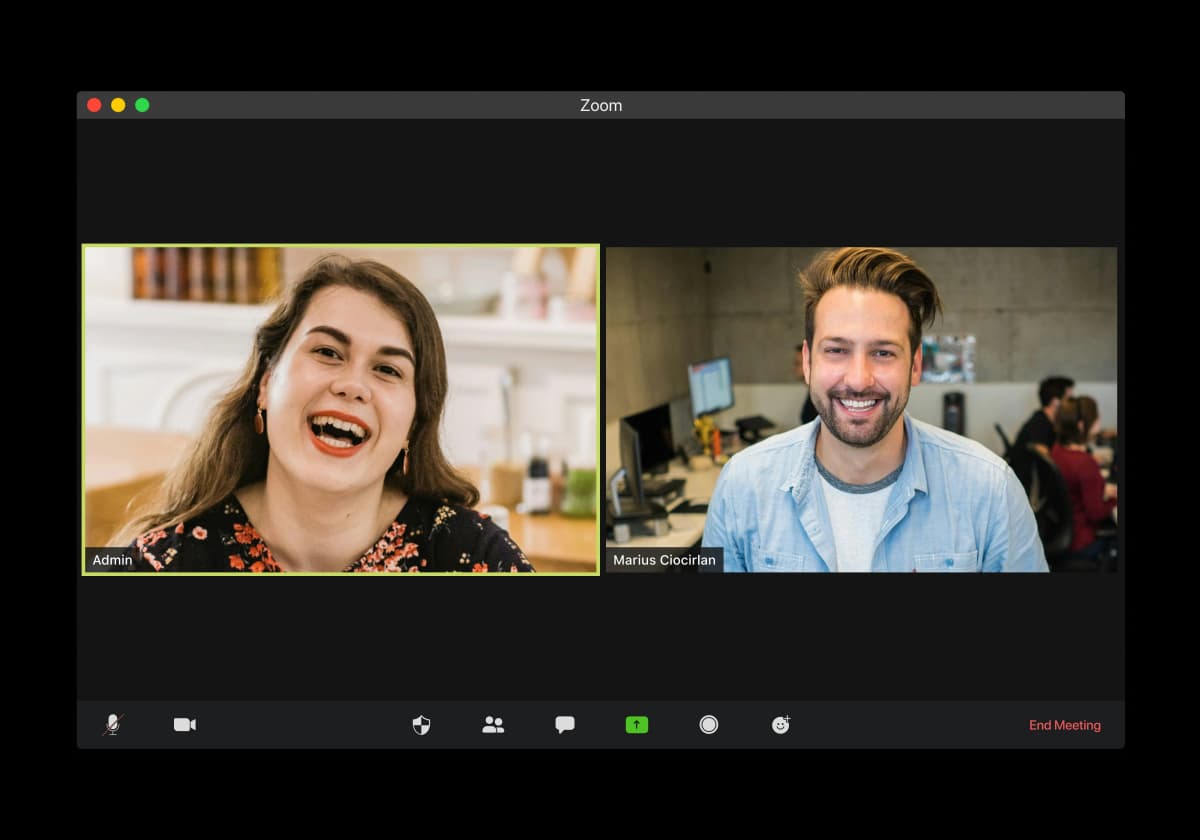
An on demand interview, also known as an asynchronous interview, allows candidates to respond to your questions at their own time, in your absence, and submit a response.
In a one way interview, there is no interviewer present, unlike a traditional interview or a live interviewer scenario where real-time interaction occurs. Pre recorded interviews differ from one-on-one or live interviews because candidates record their responses independently, rather than engaging in a conversational format. Candidates may be required to enter an interview code to access the interview platform.
Unlike previous phone screening methods, you do not need to fix a schedule for the interview, but could just ask candidates to showcase their skills and experience by responding to a set of pre-set questions, which you can review on your own time.
Why You Should Use an on Demand Video Interview
There are countless reasons why you should use an asynchronous interview as an employer, but here are a few:
-
Save Serious Time
Coordinating schedules is a nightmare. With on demand interviews, candidates record answers on their own time, and you review them when it suits you. -
Cut Down Costs
No more travel reimbursements, hotel bills, or extra meeting overheads. On demand interviews slash those expenses immediately. -
Consistent and Fair Screening
All candidates are asked the same questions in the same way, which ensures consistency, reduces hiring bias, and makes comparisons fair and unbiased during the screening process and screening stage. -
A Better Candidate Experience
Candidates appreciate having time to think and record answers without the pressure of being “on the spot.” Less stress, better responses. -
Eliminate Scheduling Barriers
On demand interviews remove scheduling barriers, allowing candidates to participate regardless of time zone or other commitments, making the recruitment process more accessible and flexible. -
Reach Global Talent
On demand interviews help businesses improve their global outreach, as they allow you to interview candidates across time zones without worrying about scheduling time. -
Encourage Team Collaboration
Recruiting teams can review responses at their convenience and review responses in a structured way, with multiple hiring managers able to assess the same video submissions whenever they’re free; no need to cram everyone into one Zoom call. -
Reduce Bias in Early Stages
By focusing on structured, recorded answers and standardized evaluation, hiring teams can minimize unconscious bias during the screening stage and ensure fairness. -
Replay and Reevaluate Anytime
Did you miss something in an answer? You can rewatch videos as often as you need. -
Screen More Candidates, Faster
High applicant volume? On demand interviews let you evaluate many candidates in a fraction of the time, streamlining the screening process. -
Identify Top Talent and Strong Candidates
This process helps you identify top talent and strong candidates who might otherwise be missed in a traditional recruitment process, especially those from non-traditional backgrounds. -
Give Candidates Flexibility
They can record their interview at midnight in pajamas if they want and still be judged purely on their answers. -
AI-Enhanced Insights
Some platforms, like HiveMind AI analyzes communication skills, tone, and even engagement, to help you get the best results and pick out the right candidate. It’s like having an extra set of eyes on every response. -
Better Integration with Your Tech
Most on demand interview platforms like HiveMind Ai sync with ATS systems, so all your candidate data lives in one place. -
Assess Soft Skills Early
Unlike resumes, video interviews allow you to assess communication style, personality, and presentation skills immediately. -
Fast-Track Urgent Hiring
Got roles you needed to fill yesterday? On demand interviews speed up the shortlist stage significantly. -
Documented Candidate Responses
Having video records means you can revisit and justify decisions later, which helps with compliance. -
Easier to Compare Candidates Side by Side
Watching two responses back-to-back is much easier than trying to remember who said what on a phone call.
Hiring practices are evolving fast. By adopting on demand interviews now, you’re not just solving today’s scheduling headaches; you’re also preparing your hiring process for the future.
How to Prepare for an on Demand Video Interview

On demand video interviews are carried out with the help of software with one-way video capabilities. This software allows candidates to answer the preset questions you have set up for them in video format, and also allows you to make an assessment of their video submissions.
Some of this software also includes an AI feature that not only transcribes and summarizes a candidate submission, but also scores the candidate based on your set criteria for success.
Here’s a short guide to setting one up:
-
Ensure you have a stable internet connection to avoid interruptions during your interview.
-
Choose a quiet, well-lit space with a clean looking background, such as a tidy wall or bookshelf, to minimize distractions and present a professional image.
-
Minimize background noise and other distractions to help the interview run smoothly and maintain clear communication.
-
Dress professionally and dress appropriately for the interview, matching the expected level of formality.
-
Pay attention to on screen prompts and use your prep time wisely to organize your thoughts before responding.
-
Practice speaking on camera beforehand to build confidence, reduce the chance to feel awkward, and help you sound natural.
-
Maintain eye contact by looking directly into the webcam, and imagine you are talking directly to the interviewer to improve your delivery and authenticity.
1. Choose a Perfect Platform
There are lots of tools out there that can be used for this, but the recommended tool for doing this perfectly is HiveMind AI.
Here are some of the reasons why HiveMind AI is perfect for an on demand interview.
-
It is easy for employers to use
-
It is easy for candidates to use
-
It is easily customizable
HiveMind AI’s video interview feature was built to be intuitive and user-friendly for these exact reasons, which is why it comes highly recommended.
2. Create Good Questions
On demand interview questions are a key part of self paced video interviews, allowing candidates to record responses to pre-set prompts at their convenience.
The next step is creating questions for the video interview. When creating these on demand interview questions, you want to make sure your questions are clear and will not confuse the candidate. It’s important to ask candidates to provide specific examples from their past experiences, as this helps assess their skills, qualifications, and authenticity.
The better the quality of questions, the better the answers you’ll get.
You’ll always want to keep the questions in the video interview to a maximum of three to five questions so the candidate is not overwhelmed, hence leading to a bad experience and poor results.
Here are some examples of Good Questions for an on Demand Video Interview
Behavioral Questions (to understand past performance)
When answering behavioral questions, candidates should draw on their past experiences to illustrate how they have handled similar situations before.
-
“Tell me about a time when you had to solve a difficult problem at work. What steps did you take?”
-
“Give an example of a project where you had to work under pressure. How did you handle it?”
-
“Describe a time when you had to collaborate with a difficult teammate. What was the outcome?”
Situational Questions (to see how they think on their feet)
-
“Imagine you’re given a project with an extremely tight deadline. How would you prioritize your tasks?”
-
“If you were managing multiple clients and two of them needed urgent help at the same time, how would you decide what to do first?”
-
“What would you do if you noticed a mistake in your manager’s work?”
Role-Specific Questions (tailored to the job)
-
“Walk me through how you would approach [specific job-related task].”
-
“What tools or software have you used in your previous role, and how comfortable are you with learning new ones?”
-
“If hired, what’s the first thing you would want to accomplish in your first 90 days?”
Soft Skill Questions (to evaluate communication & culture fit)
-
“How do you like to receive feedback?”
-
“What motivates you to do your best work?”
-
“Tell me about a time when you had to explain something complex to someone less experienced.”
The key is to keep questions open-ended but focused, so candidates can demonstrate real examples and thought processes without being overwhelmed.
Here are some questions to avoid in on demand video interviews
Not every question works well in an asynchronous interview. Some can frustrate candidates, waste time, or give you little useful insight.
To make sure your process is effective and fair, here are the types of questions you should avoid:
you should avoid:
- Brain Teasers
Example: “How many golf balls fit in a school bus?”
These kinds of questions might feel clever, but they rarely predict job performance. Instead of testing real skills, they just stress candidates out and leave them guessing what you want to hear.
- Yes/No Questions
Example: “Have you worked in sales before?”
Since candidates can only answer with a single word, you don’t get any depth. Asynchronous interviews work best when you give candidates the chance to explain their experiences and thinking in detail.
- Overly Vague Questions
Example: “What are your strengths?”
Sure, you’ll get some kind of answer, but probably something generic. A better approach is to ask for specifics: “What’s one skill you have that isn’t on your resume but would add value in this role?”
This nudges candidates to share something meaningful and unique.
- Overly Personal Questions
Example: “Are you planning to have kids soon?”
Not only are these irrelevant, but they’re also inappropriate and can cross legal boundaries. Keep your questions professional and tied to the role.
- Questions with Hidden Jargon
Example: “How would you leverage OKRs in a hybrid SCRUM environment to maximize ROI?”
Unless the role demands highly specific knowledge, loaded questions filled with buzzwords can confuse candidates and unfairly trip them up.
Recommended: Top 37 HireVue Interview Questions with Smart Answers
3. Write an Invitation Email
While on demand interviews are making their way into the recruitment scene, a lot of candidates out there are still not familiar with the process.
The email you send them is usually their first interaction with the process, which is why your invitation email has to be a pretty good one that is clear and understandable.
Here’s a simple checklist of what to include:
-
A clear subject line (e.g., “Invitation: Video Interview for [Job Title]”)
-
A warm greeting using the candidate’s name
-
A brief explanation of what an on demand video interview is
-
Clear instructions (platform link, login steps, interview code, deadlines, etc.)
-
How long will it take, and how many questions to expect
-
Mention if candidates can re-record their responses before submitting
-
Tips for success (quiet space, good internet, camera ready)
-
A contact person/email in case of technical issues
-
A supportive closing (remind them you’re excited to hear from them)
Example: Invitation Email for On Demand Video Interview
Subject line: Invitation: Video Interview for SEO Specialist Position
Hi Gina,
Thank you for applying to HiveMind AI. We’re excited to move you forward to the next stage of our hiring process: a video interview.
Here’s how it works:
You’ll receive 4 questions to answer.
It should take about 15–20 minutes in total.
You can complete the interview any time before the 23rd of September.
To access the interview, click the link below and enter your unique interview code provided in this email.
You will have the option to re-record your responses before submitting, so you can put your best foot forward.
[Insert link to interview platform + login instructions]
Tips for success:
Find a quiet, well-lit space.
Make sure your internet connection is stable.
Test your camera and microphone before you begin.
If you have any questions or run into technical difficulties, feel free to reach out to me at ken@fakemail.com
We look forward to learning more about you!
Best regards, Ken Hiring Manager HiveMind Ai
Candidate Experience in Demand Interviews
The candidate experience is at the heart of a successful hiring process, and demand interviews—whether one way video interviews, self paced interviews, or on demand interviews—are reshaping how job seekers interact with employers. As more companies adopt these video interviews, it’s essential to consider how this interview format impacts candidates and what hiring teams can do to make the process as smooth and positive as possible.
How to Choose the Right Candidate From an on Demand Video Interview

After the video submission is sent in by the candidate, the work is only half done; you still have to review the responses thoroughly, pick the candidates that do well, and proceed to the next steps. Using structured scoring systems and involving multiple raters can help ensure a fair and comprehensive evaluation process.
Remind candidates to present their best self in their video submissions—being authentic and confident can leave a strong impression.
Now, here are some simple steps to help you review each submission appropriately, and ensure the right candidates are picked.
1. Build a Simple Scorecard
Before pressing play on the first video, define the 3 - 4 qualities that matter most for the role. This keeps you from relying on gut feelings alone. For example, you might score candidates on:
-
Clarity of Communication – Did they answer the question directly and clearly?
-
Relevant Experience – Did their examples match the actual job requirements?
-
Problem-Solving Ability – Did they show logical thinking when describing challenges?
-
Enthusiasm – Did they seem genuinely interested in the role and company?
Rate each candidate on a 1 - 3 scale for each category. A structured scorecard ensures consistency across the board.
2. Focus on Substance, Not Style
Don’t confuse nerves with lack of ability. A great candidate might stumble over words or glance away from the camera, but that doesn’t mean they’re not qualified. What matters most is the content of their answers. While using high-quality equipment, such as an external webcam, can help create a strong impression by improving video and audio quality, substance is ultimately more important.
Look for:
-
Clarity and Structure - Did they communicate their thoughts clearly? Did they use a framework like STAR (Situation, Task, Action, Result)?
-
Relevant Experience - Do their examples actually connect to the role? Are they specific about past roles and achievements?
-
Enthusiasm and Engagement - Do they seem genuinely excited about the opportunity and motivated to contribute?
Substance, clarity, and passion will always tell you more than polished delivery alone.
3. Watch Out for Bias
Video interviews expose you to more than just what candidates say, you also see their appearance, background, accent, and other irrelevant details.
It’s human nature to make snap judgments, but that’s where bias creeps in. Stick to your scorecard to counteract it. Using structured scorecards helps reduce hiring bias by ensuring all candidates are evaluated consistently against the same criteria. Judge candidates by the criteria you defined, not by whether you liked their décor or thought they seemed “friendly.”
This makes your process both fairer and more inclusive.
Key Differences Between Traditional Screening Calls and On-Demand Video Interviews
| Aspect | Traditional Screening Calls | On-Demand Video Interviews |
|---|---|---|
| Scheduling | Requires back-and-forth coordination | No scheduling needed, candidates record on their own time |
| Time Investment | 30–45 minutes per candidate | 5–10 minutes per candidate |
| Consistency | Varies depending on the interviewer | Standardized questions for every candidate |
| Collaboration | Limited to interviewer’s notes | Entire team can review recordings and weigh in |
| Candidate Preparation | Often rushed or unprepared | Candidates have time to prepare thoughtful responses |
| Documentation | Manual note-taking | Automatic recording and storage for easy reference |
In summary, the interview process for traditional screening calls involves more manual coordination and variability, while on-demand video interviews streamline and standardize the interview process, making it more efficient for both employers and candidates.
How Does an on Demand Video Interview Fit Into Your Hiring Flow
Asynchronous interviews aren’t here to replace your entire hiring process. Instead, they slot in at the very beginning, streamlining the recruitment process by serving as an effective screening stage. This approach helps you filter applicants quickly and fairly before you spend time on deeper evaluations.
A smooth hiring flow could look something like this:
- Application Stage
Candidates send in their resumes and details.
- Video Interview Stage
Instead of scheduling dozens of phone calls, you send out a short one-way video interview. This lets you see how candidates communicate and how they approach your questions, all without juggling calendars. As part of the screening stage, these on demand interviews enable structured evaluation and objective review, helping reduce unconscious bias and ensuring fairness early in the recruitment process.
- Practical Skills Check
Once you’ve narrowed down the pool, you can send a role-specific task (a small coding challenge, design exercise, or writing sample) to test real-world ability.
- Live Conversations
At this point, you’re talking only to strong contenders. The live interview is now about digging deeper into problem-solving, culture fit, and personality.
- Final Round & Offer
The best of the best meet the team and, if it’s a match, move into the offer stage.
Each stage gives you new information about how each candidate thinks and communicates, whether they can actually do the job, and if they’re the right fit for the team and culture.
Instead of relying on a single long interview, you build a clearer, step-by-step picture of every candidate.
Compliance Matters: Staying Legally Safe with On Demand Interviews
When introducing new hiring tech, compliance is one area you can’t afford to ignore. On demand video interviews come with their own set of responsibilities, and staying proactive will save you headaches later.
GDPR & Data Privacy
If you’re hiring in Europe, candidate videos are considered personal data. This means you need to store them securely, communicate how they’ll be used, and respect the right to erasure.
EEOC & Fair Hiring
In the U.S., the Equal Employment Opportunity Commission (EEOC) stresses fairness. Using standardized questions and structured scorecards helps you stay compliant and reduce bias.
Retention Policies
Don’t hold on to interview recordings forever. Set clear timelines for how long you’ll store candidate data and communicate it in your hiring policies.
By using platforms that are GDPR-ready and EEOC-conscious, like HiveMind AI**,** you’re not just checking boxes; you’re building a process candidates can trust.
Measuring ROI: Proving On Demand Interviews Are Worth It
It’s one thing to say “this saves time.” It’s another thing to actually prove it. Here are a few metrics you can track to demonstrate ROI:
-
Time-to-Hire Reduction: How much faster are you moving candidates through the funnel compared to traditional phone screens?
-
Cost-per-Hire Savings: Are you reducing travel, overtime, and interviewer hours spent?
-
Candidate Drop-Off Rate: A smoother process means fewer people ghost midway.
-
Quality of Hire: Are candidates who pass the video stage performing better once hired?
Most modern tools like HiveMind AI let you track these stats directly, so you can show leadership that you’re not just hiring faster, but that you’re hiring smarter.
Recommended: How to Reduce Time to Hire
Choosing the Right Platform
Not all on-demand video interview platforms are built the same. Here’s a quick comparison of what to look for:
| Feature | Basic Tools | HiveMind AI |
|---|---|---|
| GDPR/EEOC Compliance | Sometimes | ✅ Built-in |
| ATS Integration | Limited | ✅ Seamless sync |
| AI Insights | ❌ Not available | ✅ Tone, clarity, engagement scoring |
| Candidate Support | Email only | ✅ 24/7 support & tips |
| Analytics & ROI Tracking | Basic | ✅ Time-to-hire, quality-of-hire metrics |
Don’t just pick the cheapest tool; pick one that future-proofs your process.
Next Steps: Getting Started with HiveMind’s on Demand Video Interview Feature
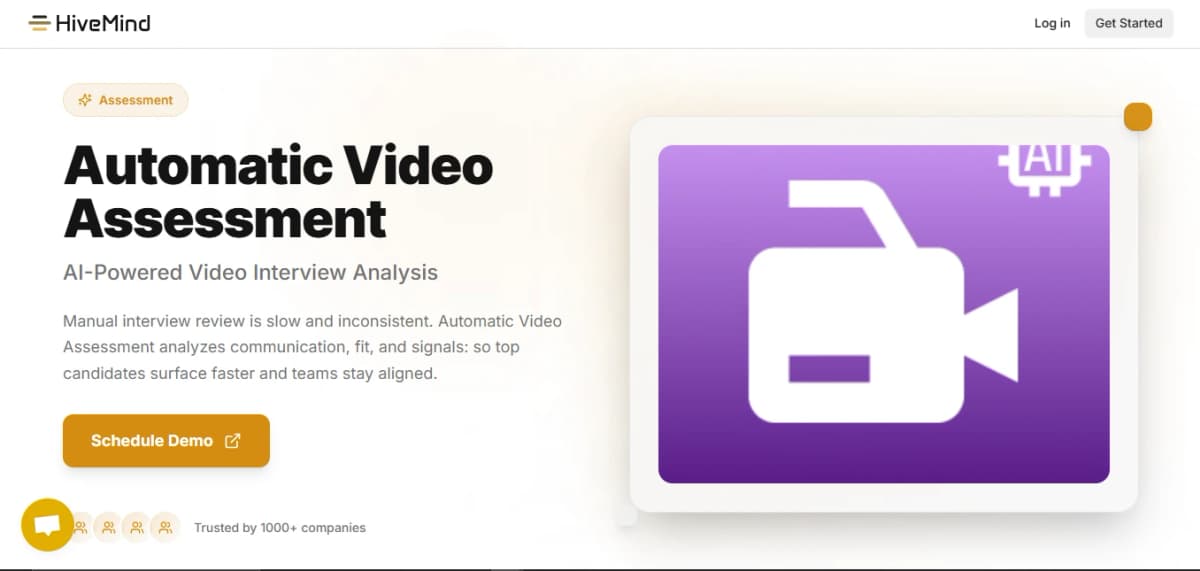
An on demand interview is all about giving candidates the chance to record responses on their own time while letting your hiring team review and evaluate those answers when it’s most convenient. It’s flexible for candidates, and efficient for employers. But here’s where HiveMind goes a step further.
Instead of spending hours manually reviewing every video and dealing with inconsistency between interviewers, HiveMind’s Automatic Video Assessment feature brings AI into the mix. The system doesn’t just play back answers; it actively analyzes them, helping you identify top candidates faster and more fairly.
Here’s what you’ll receive when you begin using HiveMind AI for your video assessments:
-
Real-time video analysis - Candidate responses are processed instantly, so decisions move quicker.
-
Speech pattern recognition - The AI looks at tone, clarity, and confidence to evaluate communication skills.
-
Facial expression analysis - Subtle cues like engagement and enthusiasm aren’t missed.
-
Technical skill assessment - Responses are checked for role-specific knowledge.
-
Communication score generation - Every answer is scored for structure and delivery.
-
Automated interview scoring - Keeps evaluations consistent and minimizes unconscious bias.
Why it matters to your hiring flow
-
90% faster processing: No more bottlenecks in early screening.
-
24/7 availability: Candidates interview when it suits them; you review when it suits you.
-
Scalable: Whether you’re screening 10 or 1,000 applicants, the system can handle it.
-
Objective & fair: Everyone is assessed with the same criteria, so decisions are data-backed.
HiveMind takes what could be a clunky part of your hiring process and makes it fast, fair, and scalable.
You still get the human insight you need, but now backed by structured AI-driven analysis that keeps your team aligned and focused on the candidates who matter most.
So if you’re still wondering how to bring on demand video interviews into your workflow, book a demo with HiveMind AI to see how our on demand interview platform helps you scale, stay compliant, and deliver a better candidate experience.