
Hiring used to be simpler.
You’d post a job, screen a few resumes, do some interviews, and choose someone who felt right. People applied, waited patiently, and said yes if you offered them a decent paycheck. That world is long gone!
Today, job seekers aren’t just applying to you. They’re also applying to 10 other companies at the same time.
They’re googling your Glassdoor reviews, checking your CEO’s Twitter feed, and swapping stories in Slack groups and subreddits about how your interviews actually went. Job seekers also use careers sites and job postings to evaluate potential employers, comparing not just roles but the overall candidate experience each company offers.
People want more than a job these days. They want to feel respected, seen, and excited about where they might work. Showcasing company culture on your careers site and in your job descriptions helps attract and engage job seekers by giving them a sense of your values and work environment from the start.
And this is where most companies mess up.
Companies spend thousands to attract great talent, but then go silent after the application. Or in some cases, they take too long to reply.
Sometimes, they treat interviews like interrogations instead of conversations. And the best of these talents? They quietly moved on to companies that made them feel like they mattered.
That’s what candidate engagement is all about. How you treat people from the moment they hit “Apply” to the moment they accept or decline your offer. And it matters more than you think.
According to LinkedIn, 63% of candidates say they’d turn down a job offer after poor candidate experience, even if the offer was competitive.
This means that you could have the best job, salary, and team in the world, yet still lose out on your dream hire just because you left them hanging, made the process confusing, or forgot to follow up. A clear job title and a detailed job description in your job postings set expectations and improve candidate engagement right from the start of the application process.
The good news is that candidate engagement doesn’t have to be complex.
Some of the best companies in the world are already doing it well and doing it simply. Instead of overhauling their entire hiring process, these companies are just making thoughtful tweaks that show candidates that they care.
We’ll talk about 7 real-life examples of companies getting candidate engagement right and what your team can learn from them.
Related: The Best 9 Applicant Tracking Systems for Small Companies
What is Candidate Engagement, Really?
At its core, candidate engagement is about how you treat people while they’re applying to work with you.
It is the full experience candidates have from the first time they see your job post to the moment they get an offer (or a rejection). The initial conversations you have with candidates are crucial for setting expectations and building engagement from the very start.
But it goes deeper than that because candidate engagement also includes how you communicate, how transparent your process is, how long they have to wait for updates, how comfortable they feel during interviews, and how they’re treated after they’ve been rejected.
Most mistakes that recruiters make are to assume that they are just filling a role forgetting that they are shaping someone’s first impression of your company.
Optimizing the recruiting process and mapping the recruitment funnel can significantly improve candidate experience and outcomes by ensuring engagement at every stage.
And the impression travels whether they join your team or not. Candidates often share their experience with others online or either through word of mouth.
A positive experience can bring in more great applicants in the future and a bad one can quietly drive talent away for years.
What does good Candidate Engagement actually look like?
Here’s what an engaged candidate typically experiences:
-
They know what to expect. From the moment they apply, they’re told what the next steps are, how long things might take, and what they’ll be evaluated on.
-
They feel seen and heard. Interviewers listen, respond thoughtfully, and take their time seriously.
-
They stay excited about the opportunity. Good communication always keeps candidates interested and every interaction adds confidence that this could be a great place to work. Clear and timely communication helps candidates remain engaged throughout the process.
-
They think highly of your brand, even if they’re not hired. A candidate might not get the role, but they still walk away with respect for how they were treated and that in itself is powerful.
Top Pick: AI-Powered Recruitment for Early-stage Startups: Top 7 Tools
**Now compare that with the typical experience many candidates face.**A disengaged candidate often
-
Gets ghosted or often left in the dark. These candidates apply and they never hear back or they wait for weeks without updates.
-
Feel like they are just another number. The whole process lacks a personal touch, has no feedback, and no one seems to care who they are.
-
Loses interest partway through. This is mostly because the process is slow, confusing, or disrespectful, so they quietly withdraw or accept another offer.
-
Warns others to steer clear. Bad experiences spread fast, especially on sites like Glassdoor or LinkedIn. A negative experience during the recruitment process can lead candidates to drop out or discourage others from applying.
Effective candidate engagement is the difference between being another job listing and being the company people tell their friends about.
You don’t have to be perfect, just be intentional about showing up, following through, and making every candidate feel like they matter.
And the best part about this is that when you engage candidates well, you don’t just hire better, you hire better.
Now, let’s look at 7 real-life examples of effective candidate engagement by companies.
Why Candidate Engagement Matters
Candidate engagement is more than just a buzzword—it’s a critical driver of hiring success in today’s competitive job market. When you prioritize candidate engagement throughout the hiring process, you’re not just filling roles; you’re building relationships that can make or break your company’s ability to attract top talent. Engaged candidates are more likely to have a positive candidate experience, which directly impacts their decision to accept a job offer and their perception of your employer brand.
A positive candidate experience doesn’t just help you land the right candidates—it also reduces candidate drop off, keeps candidates informed, and increases acceptance rates. When candidates feel valued and respected, they’re more likely to stay invested in your process, even if they’re considering other opportunities. Effective candidate engagement strategies, such as timely communication and personalized updates, help keep candidates excited and motivated throughout the hiring process.
Ultimately, candidate engagement matters because it shapes your hiring outcomes. Companies that invest in keeping candidates engaged see higher offer acceptance rates, a stronger employer brand, and a more robust talent pipeline. In a world where every interaction counts, making candidate engagement a priority is essential for hiring success.
Candidate Relationship Management: Beyond the First Impression
Candidate relationship management (CRM) goes far beyond the initial handshake or application. It’s about building and nurturing long-term relationships with potential candidates, whether they’re actively job searching or just exploring new opportunities. Effective candidate relationship management is at the heart of great candidate engagement, helping you keep candidates engaged and invested throughout the recruitment journey.
With a well-implemented CRM system, recruiters can personalize every interaction, track candidate preferences, and provide valuable insights that make each candidate feel seen and understood. This approach not only enhances the candidate experience but also helps you identify and engage with passive candidates—those hidden gems who aren’t actively applying but could be the perfect fit for your team.
By leveraging CRM, you can deliver a truly personalized candidate experience, keeping candidates informed and interested at every stage. This not only improves hiring outcomes but also gives your company a competitive advantage in attracting top talent. Investing in candidate relationship management means you’re not just filling roles—you’re building a network of engaged candidates who are excited about your company, now and in the future.
Streamlining the Application Process for Better Engagement
The application process is often the first real interaction a potential candidate has with your company, and it sets the tone for the entire hiring process. If your application process is long, confusing, or outdated, you risk losing qualified candidates before you even get to know them. Candidate engagement starts here—by making the application process as smooth and user-friendly as possible.
To increase candidate engagement and reduce candidate drop off, focus on simplifying your application process. Cut unnecessary fields, make sure your application is mobile-friendly, and provide clear instructions at every step. Quick feedback and status updates can also go a long way in keeping candidates informed and motivated to continue.
Leveraging applicant tracking systems (ATS) can help automate and optimize the application process, making it more efficient for both candidates and your hiring team. A streamlined application process not only improves the candidate experience but also boosts your hiring outcomes by attracting more candidates and ensuring you don’t lose top talent to a clunky process.
7 Real-life Examples of Effective Candidate Engagement by Companies.
1. HiveMind’s Real-Time Interview Co-Pilot
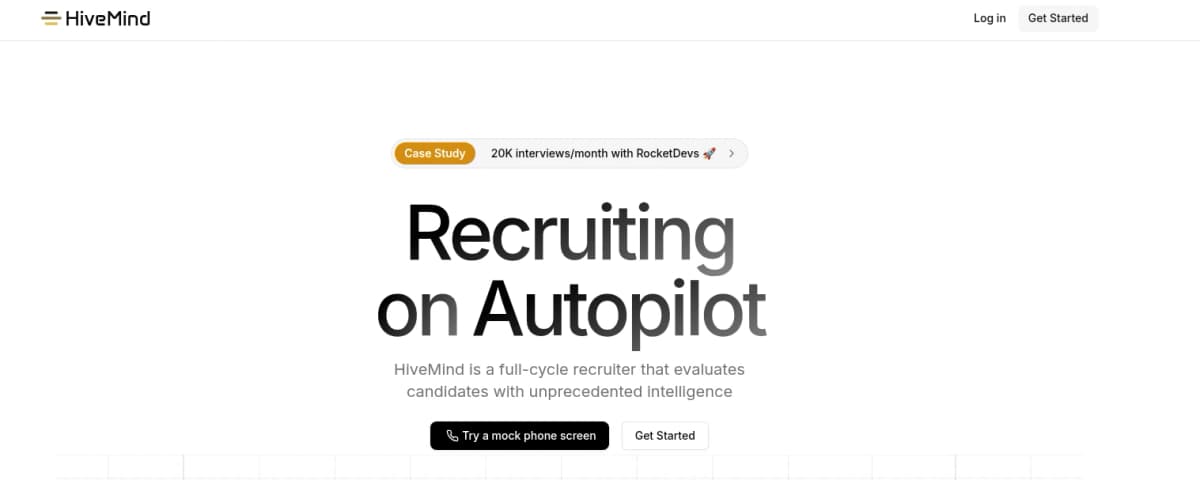
**What they did:**Hivemind, an AI recruitment software, helps companies improve the candidate experience during interviews using its AI co-pilot.
It listens in on Zoom or Google Meets calls, takes notes, suggests follow up questions, and gives the interviewer space to focus on the human connection.
**Why it works:**Candidates often leave interviews unsure if they were heard or if the interviewer was paying attention. HiveMind’s tech makes interviews feel smoother, more structured, and more personal, without making the interviewer feel like a robot to the interview. A structured interview process led by well-prepared hiring managers not only enhances candidate engagement but also leads to better hiring outcomes and higher offer acceptance rates.
**How you can apply it:**If you’re interviewing over Zoom, record with consent and use a tool like HiveMind to improve recall and reduce distractions. You’ll show candidates you respect their time and responses while also making smarter decisions too.
2. Zapier’s Personalized Application Updates
**What they did:**Zapier, known for its asynchronous culture as a remote productivity company, also takes candidates engagement seriously, especially during the long stretches between application and decision.
Instead of the automated and generic “Thanks for applying” emails that do nothing for/to the candidates, Zapier sends personalized, human-written updates at each stage of the process.
If it takes longer than expected, they say so and if the role changes slightly, they explain why. This approach helps keep active candidates informed and engaged throughout the process, reducing drop-off rates and ensuring they remain interested in the opportunity.
**Why it works:**Silence kills interest. When candidates don’t hear anything, they assume the worst.
Zapier’s approach tells candidates, “We see you and we value your time.” Personalized updates lead to better candidate engagement, improving response times and overall hiring outcomes by making candidates feel valued and connected to the process.
**How you can apply it:**Set a simple goal such that no candidate goes for more than 7 days without hearing from you. Use templates to speed things up, but add a personal line every time.
See Also: Top 11 Manatal Alternatives
3. Shopify’s “Candidate Concierge” Slack Channel
**What they did:**During one of its major hiring sprints, Shopify set up a dedicated Slack channel for candidates going through the process.
A recruiter was always online to answer questions, clarify timelines, or simply check in. The recruiting team played a key role in maintaining open communication, ensuring candidates felt supported and informed throughout the process.
**Why it works:**A lot of candidates feel like they’re navigating a maze when it comes to hiring processes. By giving them a clear line of communication, Shopify turned hiring into something more like onboarding and made candidates feel like they were already part of the team.
**How you can apply it:**You don’t need Slack per se. A single recruiter email inbox, WhatsApp group, or even a calendar booking link can create the same “always reachable” feel. Set office hours or 24-hour response targets and stick to them. Consistent engagement efforts from your team can help candidates feel supported, reduce drop-off, and improve overall candidate experience.
4. McKinsey’s Interview Coaching Portal
**What they did:**McKinsey & Company realized that many great candidates underperform in consulting style interviews, not because they’re underqualified, but because they’re unfamiliar with the format.
So they built a coaching portal with tips, practice questions, and videos from real consultants.
**Why it works:**When you help candidates succeed, even if it means extra work, you build serious trust. Providing resources and support is a way of nurturing interest, keeping candidates engaged throughout the process and reducing drop-off. And McKinsey doesn’t lose anything by preparing candidates. If they’re not a fit, they still leave the process better than they came in.
**How you can apply it:**Create a short PDF or Notion page with interview tips, FAQs, and “what to expect” content. Share it ahead of interviews. Candidates appreciate preparation and they’ll perform better too.
5 HubSpot’s "Candidate Experience Survey
**What they did:**HubSpot sends out anonymous surveys to every candidate who interviews with them, whether they’re hired or not. The questions are simple, “Did you feel respected?” “Was communication clear?” “Would you apply again?”
**Why it works:**Feedback isn’t just for employees. So, by inviting candidate feedback, HubSpot shows humility and a desire to improve. Plus, they collect real-time insights that help them constantly fine-tune their hiring process.
**How you can apply it:**Use a free tool like Google Forms or Typeform but keep it under five (5) questions. Make it anonymous and most importantly, ‘act on what you learn.’ Use the feedback to refine your candidate engagement efforts, ensuring your communication and processes continually improve to create a better experience for future candidates.
6. Buffer’s Transparent Pay and Hiring Process
**What they did:**Buffer takes transparency to the next level. Their entire hiring process is public, from job descriptions to interview questions and even the salary for each role. Nothing is hidden.
**Why it works:**Transparency builds trust as it levels the playing field for candidates and shows that Buffer has nothing to hide. In return, they attract candidates who value honesty and clarity. Transparency also improves process efficiency by reducing uncertainty and repetitive candidate questions, while strengthening the company’s ability to attract top talent through a clear and open employer brand.
**How you can apply it:**You don’t have to publish everything, but you can include salary ranges, hiring timelines, and interviewer names in your job posts. It shows respect and sets expectations early.
7. Airbnb’s “Thank You” Messages From Future Teammates
**What they did:**After the final interview round, Airbnb sends a personalized thank-you video or note from someone on the team the candidate would work with. It’s short, just a simple “Thanks for your time” and “Hope to see you soon.”
**Why it works:**It’s easy to forget there are real people behind the hiring process. Airbnb’s message reminds candidates of the team they could join, not just the job. Building strong candidate relationships through these personal touches not only enhances employer branding but can also improve employee retention by fostering a sense of belonging and connection early in the process.
**How you can apply it:**Ask a teammate to send a quick note after the final interviews. Even two sentences is enough. It’s low effort, high impact and helps candidates feel genuinely wanted.
For You: What is Full Desk Recruiting? Full Guide to Role & Process
Improving Acceptance Rates Through Engagement
One of the most tangible benefits of effective candidate engagement is a higher acceptance rate for your job offers. When candidates feel valued, respected, and well-informed throughout the recruitment process, they’re much more likely to say “yes” when you extend an offer. That’s why improving acceptance rates starts with a commitment to positive candidate experience at every touchpoint.
Clear communication, timely updates, and personalized interactions are all essential candidate engagement strategies that help keep candidates invested in your company. Interview scheduling that respects candidates’ time, proactive recruiter outreach, and thoughtful follow-ups all contribute to a sense of connection and trust.
Data and analytics can also play a role—by tracking which engagement strategies work best, you can tailor your approach to meet the needs of your target candidates. The result? Fewer candidates dropping off, more offers accepted, and greater hiring success. By making candidate engagement a core part of your recruitment process, you’ll see better hiring outcomes and build lasting relationships with the best candidates.
Gaining a Competitive Advantage with Candidate Engagement

In today’s fast-moving talent market, candidate engagement isn’t just a nice-to-have—it’s a powerful way to gain a competitive advantage. Companies that invest in effective candidate engagement strategies consistently attract and retain top talent, strengthen their employer brand, and achieve better hiring outcomes.
Personalized communication, continuous updates, and a genuine focus on candidate experience help you stand out from the competition. When candidates feel connected to your company and see that you value their time and input, they’re more likely to choose you over other employers. This not only improves your hiring success but also reduces recruitment costs by building a loyal talent pool that’s excited to join your team.
Measuring candidate engagement through metrics like candidate satisfaction and net promoter score can help you refine your strategies and ensure you’re always improving. By making candidate engagement a priority, you’ll not only fill roles faster—you’ll build a reputation as an employer of choice, giving your company a lasting edge in the race for top talent.
How to Build a Simple Candidate Engagement Strategy
You don’t need expensive software or a 10-person HR team to create a great candidate experience.
What you do need is structure, consistency, and empathy. The most effective engagement strategies are often the simplest. These steps are designed to improve candidate engagement and attract quality candidates, helping your organization stand out in a competitive talent market.
They mostly just require you to think like a candidate. Here’s a simple, repeatable 5-step system to improve engagement and build lasting relationships with both successful hires and other qualified candidates for future opportunities.
1. Map the Candidate Journey
Break it into clear stages such as application, screening, interview, offer, and post-offer. By mapping the recruitment funnel, you can identify key engagement points throughout the candidate journey.
Then ask, “What do candidates need to know or feel at each step?”
2. Create human templates for every stage
A lot of companies write robotic emails like, “Thank you for your application. If your profile matches our requirements, we’ll contact you.” Candidates hate this! Instead, write messages that sound like they come from a real person, someone respectful, honest, and clear.
You can have a template ready so you can move fast, but always leave space to add a personal touch.
3. Set response time goals and stick to them
One of the most frustrating things for candidates is waiting in the dark. Delayed responses are a significant challenge for both candidates and employers, often leading to disengagement and missed opportunities. If you wouldn’t leave a client or customer hanging for 10 days without a reply, don’t do it to a candidate either.
4. Train interviewers to be present and clear
The people doing your interviews are your brand. A great interviewer can inspire a hesitant candidate to say yes.
A bad one can drive them away even if the job is perfect. Have someone on the team do a short mock interview with each new interviewer. It sharpens their skills and protects your brand.
5. Ask for feedback and actually use it
Send a quick survey post-interview. Ask what felt good, and what didn’t. Then improve.
It doesn’t matter if you are a startup hiring your first employees or a fast-scaling team filling dozens of roles a month, what matters is that these examples prove one thing, that good engagement doesn’t take more money.
It just takes more care. You can pick of these strategies, whichever you feel most comfortable and confident in your execution, and try it this month.
You might be surprised by how far it takes you, not just in filling roles, but in building a brand that people want to work for.
With HiveMind AI, It’s Not Rocket Science.
Candidate engagement is not rocket science but rather just being human. It’s about treating people like people. It’s about making them feel informed, respected, and excited about working with you, even before they sign the offer.
If you’re ready to scale your candidate experience without losing that human touch, HiveMind AI is built to help with that. Try it today and discover how effortless great engagement can be.