
Employer branding is no longer a nice-to-have marketing function in 2026, it is a core business strategy. According to global employer brand research from Universum and LinkedIn Talent Insights, companies with strong employer brands experience up to 28% higher retention rates and reduce cost-per-hire by as much as 50% compared to weaker competitors.
At the same time, candidates are conducting deeper research than ever before. They read Glassdoor reviews, watch employee testimonials on YouTube, analyze LinkedIn posts from hiring managers, and evaluate how organizations use AI in hiring.
Employer branding refers to the perception of your company as a place of work. It encompasses your Employee Value Proposition (EVP), your culture, your social impact, your leadership transparency, and every candidate touchpoint, from the job description to the final interview experience.
The best employer brands in 2026 share several defining traits:
-
Authentic storytelling driven by employees
-
Visible commitment to diversity, equity, and inclusion
-
Flexible work models and wellbeing benefits
-
Transparent communication about pay and growth
-
Seamless, tech enabled candidate experience
Notably, AI is becoming embedded in employer branding strategies. From personalized career portals to AI-powered assessments that reduce bias, companies are using technology to create fairer and more engaging hiring journeys. This is where platforms like Hivemind AI play a crucial role in streamlining recruiting workflows, ensuring consistent evaluation, and delivering candidate experiences that reinforce your brand promise.
In this guide, we explore 10 of the best employer branding examples 2026, drawn from major rankings such as Glassdoor Best Places to Work 2026 and Forbes Best Employers 2026. Each example includes practical lessons you can apply, whether you’re a 75-person startup or a 400-employee regional firm looking to compete for top talent.
What Makes a Great Employer Brand in 2026
Before diving into specific employer branding case studies, it’s important to understand the pillars that define the best employer brands in 2026.
| Trend | Why It Works | 2026 Example |
|---|---|---|
| Authentic Employee Storytelling | Builds trust and relatability | NVIDIA’s employee breakthrough stories |
| Social Impact Integration | Attracts mission-driven talent | Patagonia’s activism leave |
| AI-Enhanced Candidate Experience | Reduces bias and friction | Google’s structured assessments |
| Flexible & Hybrid Work Models | Improves retention and reach | Microsoft’s global hybrid framework |
Great employer branding in 2026 is defined by:
-
Authenticity over polish. Candidates value transparency about challenges as much as successes.
-
Technology as an enabler, not a barrier. AI in employer branding must improve fairness and clarity.
-
Values-driven messaging. Social impact and sustainability influence job choice decisions.
-
Employee advocacy. Real employees are the most powerful brand ambassadors.
Now, let’s examine the top employer branding strategies through real-world examples.
Best Read: The Recruitment Email Format That Navigates Past the Noise (2026 Guide)
The 10 Best Employer Branding Examples 2026
-
Google
Google remains a dominant force in employer branding. In 2026, its strategy centers on multi-channel storytelling and interactive candidate engagement. The company’s career site integrates video interviews, day-in-the-life segments, and role-specific quizzes that allow applicants to assess alignment before applying.
Google’s employer brand emphasizes innovation, growth, and psychological safety. Its public commitment to skills-based hiring and structured interview processes reinforces its reputation for fairness.
What to Learn:
Mid-sized companies can adopt Google’s transparency playbook by publishing team stories, showcasing project impact, and using structured evaluation frameworks. Even without Google’s budget, you can use AI-powered screening tools like Hivemind to ensure consistent candidate assessments, strengthening trust and credibility.
-
NVIDIA
NVIDIA’s employer brand is built around cutting-edge AI innovation. The company shares employee stories focused on breakthrough research, collaboration, and industry impact. Its Glassdoor presence reflects high ratings in leadership transparency and career growth. NVIDIA also leverages AI internally to personalize learning paths and support internal mobility.
What to Learn:
Showcase real work impact. Candidates are inspired by purpose-driven storytelling. Share detailed employee case studies highlighting innovation and team collaboration.
-
Trader Joe’s
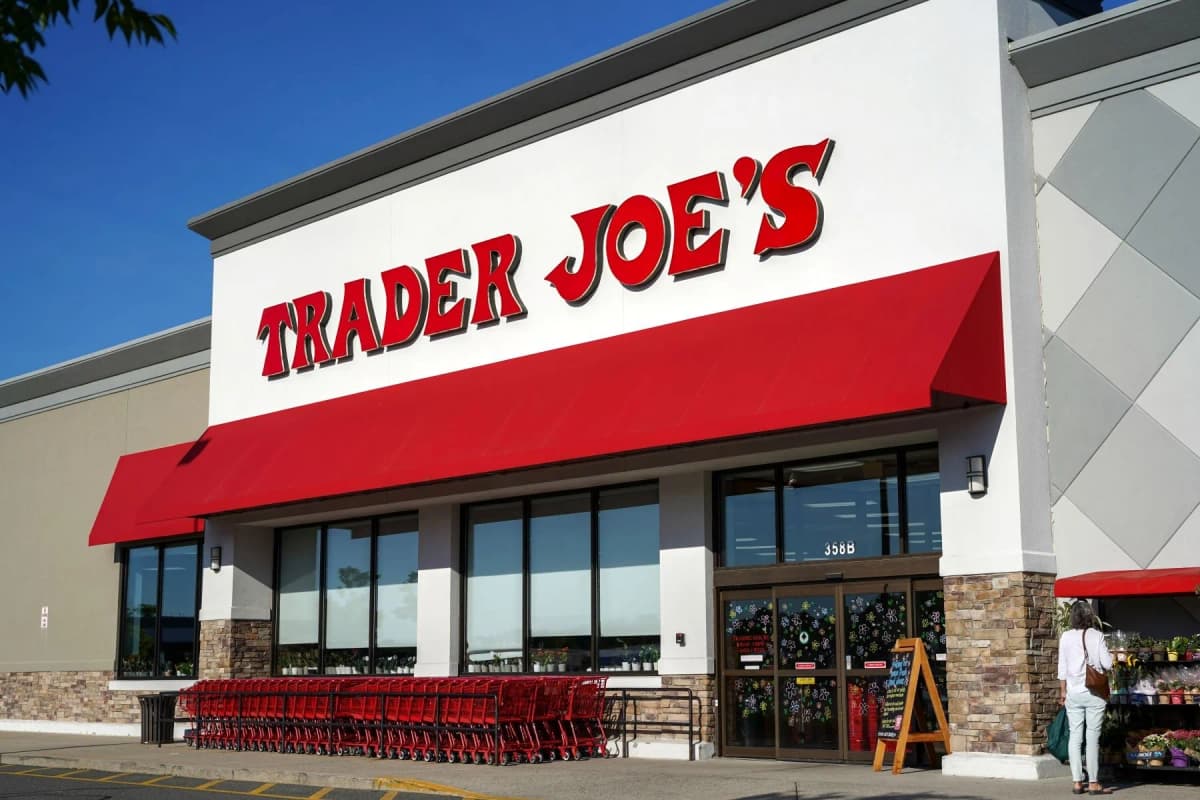
Trader Joe’s differentiates itself through personality. Its Crew Member Spotlight campaigns humanize its brand, focusing on frontline employees rather than executives. Perks include strong healthcare coverage, flexible scheduling, and internal promotion pathways, which are communicated in accessible, friendly language.
What to Learn:
Employer branding doesn’t need to be corporate. Highlight real employees. Feature community involvement. Use approachable messaging.
-
Microsoft
Microsoft’s employer brand emphasizes inclusivity and growth. Its hybrid work model is clearly defined, offering flexibility while maintaining structure. The company invests heavily in upskilling programs and publishes annual diversity reports. Transparency like this strengthens brand credibility.
What to Learn:
Define your EVP clearly. If flexibility is part of your brand, explain how it works because transparency builds trust and also strengthens camaderie
-
Patagonia
Patagonia’s employer brand revolves around environmental activism. Employees receive paid time off for activism, and the company’s sustainability mission is deeply integrated into its EVP. Candidates attracted to purpose driven work view Patagonia as authentic because its business practices aligns with its branding.
What to Learn:
Align branding with action. Social impact must be operational, nor performative.
-
HubSpot
HubSpot’s “Culture Code” presentation remains one of the most cited employer branding examples in the industry. In 2026, HubSpot continues to publish transparent updates on compensation philosophy and cultural evolution. It openly discusses failures alongside successes.
What to Learn: Transparency creates trust. So therefore, share not only achievements but lessons learned.
-
Southwest Airlines
Southwest Airlines continues to stand out in 2026 through its long-running “Heart” employer branding campaign, which centers on kindness, humor, and employee-first leadership. Its employer brand reinforces psychological safety, internal mobility, and cultural warmth. By consistently showcasing authentic employee experiences across social media and career pages, Southwest builds emotional trust with candidates.
What to Learn:
Emotional resonance drives application. Culture stories outperform corporate slogans every time.
-
Salesforce
Salesforce integrates its 1-1-1 philanthropic model directly into its employer brand: 1% of equity, 1% of product, and 1% of employee time dedicated to community impact. In 2026, this model remains a central pillar of its EVP. By aligning corporate social responsibility with daily employee life, Salesforce differentiates itself in a competitive tech hiring market.
What to Learn:
Social impact becomes powerful when employees actively experience it and not just read about it.
-
Netflix
Netflix maintains one of the clearest employer brands in 2026 through its “Freedom and Responsibility” philosophy. The company openly communicates its high-performance culture, unlimited vacation policy, and expectation of radical candor. This clarity attracts candidates who thrive in high-trust, high-output environments while naturally filtering out misaligned applicants. Its detailed culture memos and leadership interviews reinforce consistency between messaging and reality.
What to Learn:
Clarity beats mass appeal. A sharply defined culture attracts the right talent faster.
-
Crew Carwash
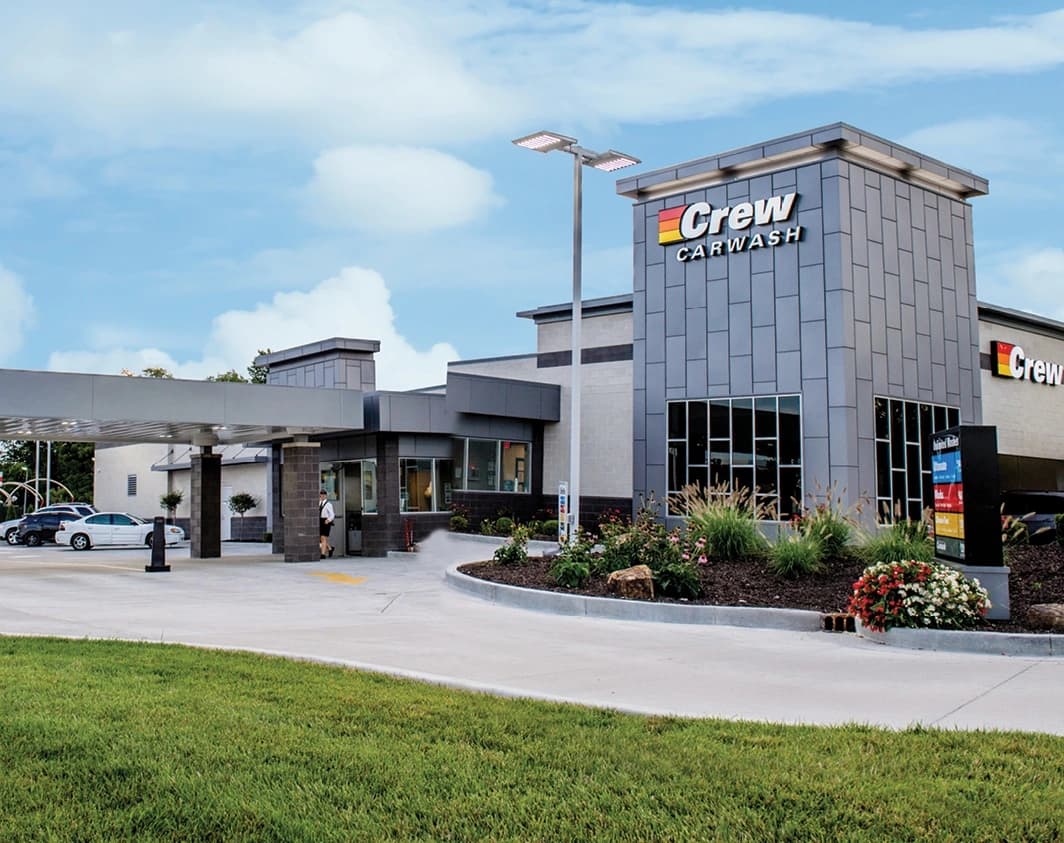
Ranked #1 on Glassdoor Best Places to Work 2026, Crew Carwash demonstrates that employer branding excellence is not limited to tech giants. Its strategy emphasizes leadership accessibility, community involvement, and structured internal growth paths. Employees frequently highlight supportive managers and clear promotion opportunities in reviews. The company amplifies these stories across recruiting materials, reinforcing authenticity. By investing in training and career development for frontline employees, Crew Carwash builds loyalty and strong word-of-mouth advocacy.
What to Learn:
Size doesn’t limit brand strength. Authentic employee advocacy builds credibility faster than marketing campaigns.
Top Read: What Is Candidate Experience? Guide for 2026
How to Apply These Employer Branding Examples to Your Organization
Understanding employer branding examples 2026 is only useful if you apply the lessons strategically.
Start by auditing your Employee Value Proposition. Ask:
-
What do we promise employees?
-
What do employees actually experience?
-
Where are gaps between perception and reality?
Next, activate employee advocacy. Encourage team members to share authentic stories on LinkedIn. Provide guidelines, not scripts.
Integrate AI thoughtfully. AI in employer branding improves candidate experience when it:
-
Speed up application review
-
Provides structured, unbiased assessments
-
Offers personalized communication
Hivemind AI supports this by automating skills-based evaluations and delivering consistent candidate portals. When applicants experience clarity and fairness, they associate those traits with your brand.
Measure impact using:
-
Application volume
-
Offer acceptance rates
-
Retention metrics
-
Glassdoor ratings
-
Time-to-hire
Make sure to avoid common pitfalls such as over-polishing messaging or ignoring negative feedback. Authenticity is more persuasive than perfection.
Conclusion - The Future of Employer Branding in 2026 and Beyond
The best employer brands in 2026 share a common thread, which is, authenticity powered by technology. Whether it’s Google’s interactive hiring experience, Patagonia’s mission-driven EVP, or Crew Carwash’s community storytelling, each example demonstrates that employer branding is both cultural and operational. In 2026, candidates expect transparency, flexibility, fairness, and meaningful work. Organizations that integrate AI thoughtfully, like improving candidate experience rather than replacing human connection, will stand out.
Employer branding is not just about marketing. It is about delivering on your promise at every touchpoint.
Ready to strengthen your employer brand and improve candidate experience with AI? Discover how Hivemind AI’s recruiting suite streamlines assessments, reduces bias, and creates seamless candidate journeys.
Schedule a demo today here.